
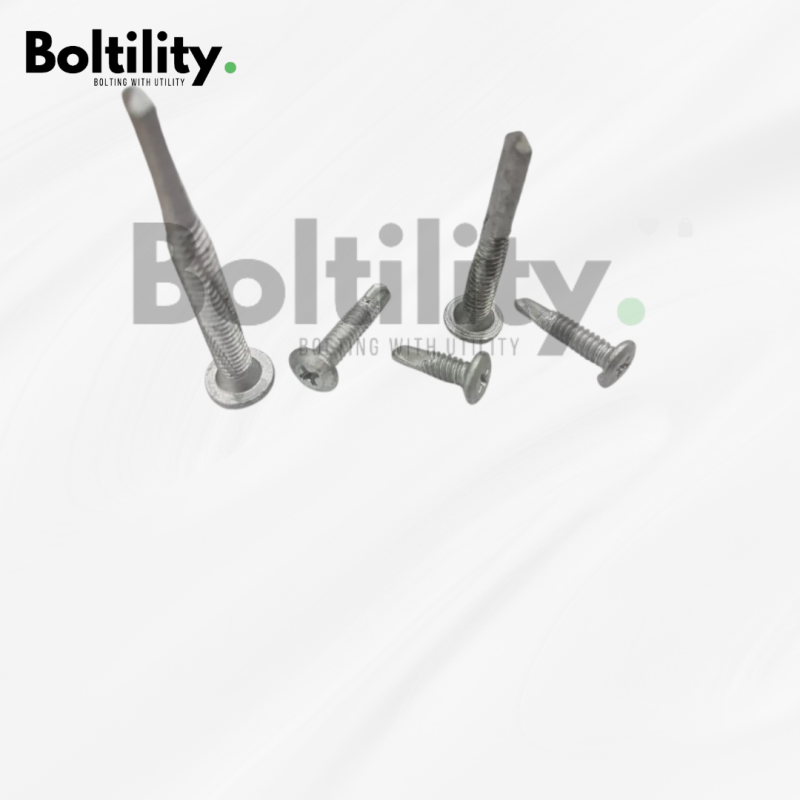
When it comes to construction, manufacturing, or DIY projects, fasteners are often overlooked—but they play a critical role in the strength, durability, and safety of any structure. Among various types of fasteners, self drilling screws have earned a special place due to their unique ability to drill and fasten in a single step. Whether you’re a professional contractor or a home improvement enthusiast, understanding how self drilling screws work and why they’re so useful can help you save time, reduce labor, and achieve a more professional result in your projects.
What Are Self Drilling Screws?
A self drilling screw is a type of screw that is specifically designed to drill its own hole as it is driven into the material. It combines the features of a drill bit and a screw, eliminating the need for pre-drilling or pilot holes. This makes installation faster and easier, especially when working with hard materials like metal or dense wood.
The key part of a self drilling screw is its drill-point tip, which resembles a miniature drill bit. This sharp, fluted tip is designed to cut through the surface material. Once the tip breaks through, the screw’s threads engage and drive the screw into place, securely fastening the materials together.
Components of a Self Drilling Screw
To understand how self drilling screws work, it’s important to look at their individual components:
1. Drill Point
This is the most defining feature of the screw. It looks like the tip of a drill bit and is designed to pierce materials such as metal or hardwood without the need for pre-drilling.
2. Thread
The thread wraps around the shaft and helps to pull the screw into the material, creating a tight and secure connection.
3. Shaft
This is the main body of the screw. Depending on the application, it may be fully or partially threaded.
4. Head
The head of the screw comes in different shapes such as hex, flat, pan, or bugle, depending on the required tool (wrench, screwdriver, or drill) and the desired finish.
5. Coating or Finish
Many self drilling screws come with a special coating to resist corrosion—such as zinc plating or stainless steel—especially for outdoor or high-moisture environments.
How Do Self Drilling Screws Work?
Unlike traditional screws, which require a hole to be drilled first, self drilling screws simplify the process. Here’s a breakdown of how they work in action:
Step 1: Drilling
The screw’s pointed tip begins cutting into the surface as soon as you apply pressure with a drill or screwdriver. The flutes on the tip remove material like a traditional drill bit would.
Step 2: Tapping
As the drill point advances, the threads begin to cut into the newly made hole. This creates a thread path that the screw will follow to pull itself in.
Step 3: Fastening
The screw continues turning and drives itself fully into the material, holding two or more surfaces together with strong compression.
This three-in-one action—drilling, tapping, and fastening—saves considerable time and reduces the number of tools needed for a task.
Benefits of Using Self Drilling Screws
1. Time Efficiency
The biggest advantage of self drilling screws is how much time they save. With no need to change between a drill bit and screwdriver, you can complete installations much faster. For contractors and manufacturers, this translates into cost savings on labor.
2. Lower Equipment Costs
Fewer tools are required. You don’t need separate drill bits, tapping tools, or pilot hole accessories. One screw and one drill are all it takes.
3. Clean Finish
Self drilling screw reduce the risk of material damage. There’s less chance of splitting wood, cracking surfaces, or causing burrs in metal.
4. Strong, Reliable Hold
Because the screw drills and taps directly into the material, it forms tight threads that provide excellent grip strength. This makes them ideal for heavy-duty applications.
5. Versatile Use
Self drilling screws are suitable for a wide range of materials including steel, aluminum, wood, plastic, and composite boards. This makes them ideal for both residential and industrial use.
6. Ease of Use for All Skill Levels
Even beginners can use self drilling screws easily. There’s no complex process—just aim, drill, and drive.
Common Applications of Self Drilling Screws
Self drilling screws are used across many industries, thanks to their speed and strength. Here are some common applications:
1. Metal Roofing and Siding
In construction, self drilling screws are widely used to attach metal roofing sheets and siding panels to steel or wood framing. Their sharp points can pierce metal sheets without slipping, making them ideal for outdoor structures.
2. Steel Framing
Steel studs and metal framing require strong fasteners that won’t strip or loosen. Self drilling screws are commonly used in commercial and industrial buildings for assembling steel frames.
3. HVAC Installation
Heating, ventilation, and air conditioning systems often require fastening ductwork made of thin sheet metal. Self drilling screws are perfect for these tasks due to their clean finish and high holding power.
4. Wood-to-Metal Connections
Many construction and furniture projects require joining wood panels to metal brackets or frames. Self drilling screws make these connections quick and secure.
5. Automotive and Aerospace
Because of their precision and strength, self drilling screws are also used in assembling automotive parts, trailers, and aircraft interiors.
6. DIY and Home Repairs
Homeowners and hobbyists use self drilling screws for fencing, decking, shelving, and general repairs due to their convenience and versatility.
Choosing the Right Self Drilling Screw
Not all self drilling screws are the same. Here are a few things to consider when choosing the right one for your project:
1. Material
Use stainless steel or coated screws for outdoor projects to prevent rust. For indoor tasks, standard zinc-plated screws may be sufficient.
2. Point Size
The drill point is usually numbered (e.g., #2, #3, #4). A higher number means the screw can drill through thicker materials. For example, a #2 point is ideal for thin metal, while a #4 point is better for thicker steel.
3. Thread Type
Fine threads are better for metal, while coarse threads work well with wood and softer materials.
4. Head Style
Choose a head based on appearance and tool compatibility:
- Hex head for high torque applications
- Flat or pan head for flush finishes
- Bugle head for drywall or soft wood
5. Length
Make sure the screw is long enough to penetrate both materials being joined and still have enough thread engagement for a secure hold.
Our Products
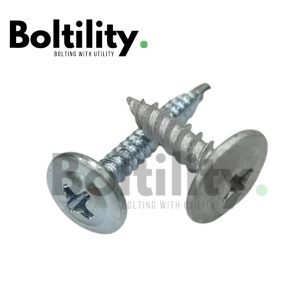
SELF DRILLING SCREWS
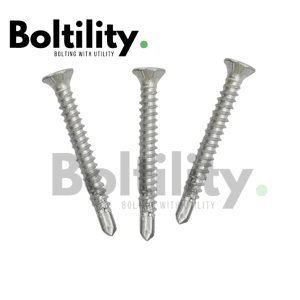
COUNTERSUNK HEAD

COUNTERSUNK HEAD

SELF DRILLING SCREWS
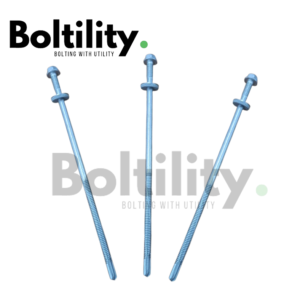
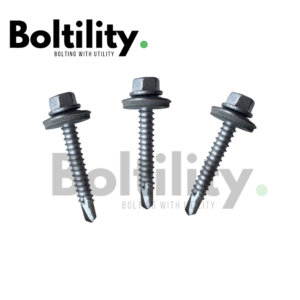
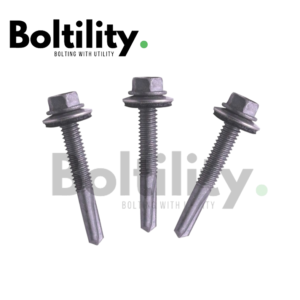
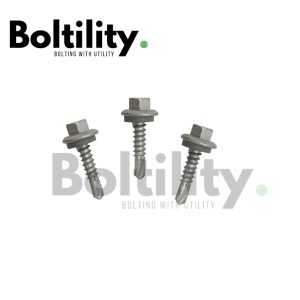
HEX HEAD
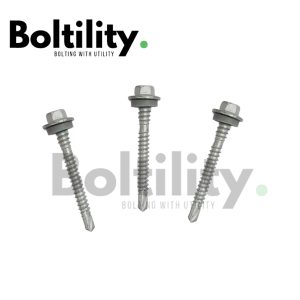
HEX HEAD
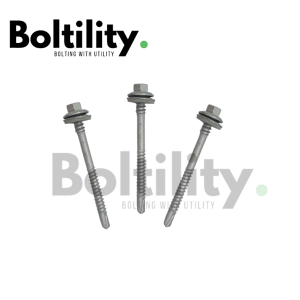
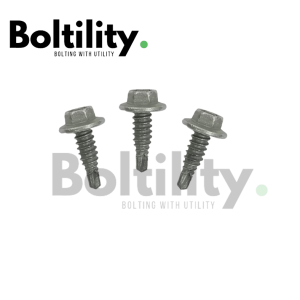
HEX HEAD
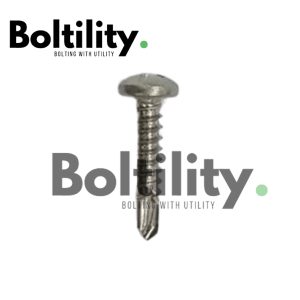
PAN HEAD
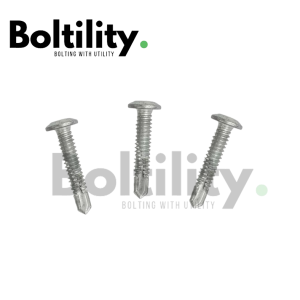
SELF DRILLING SCREWS
Tips for Installing Self Drilling Screws
To get the best results, here are some expert tips for working with self drilling screws:
- Use a power drill with adjustable speed – Start slow to avoid slipping, then increase speed once the screw engages.
- Apply steady pressure – This helps the drill point bite into the surface cleanly.
- Don’t overtighten – Once the screw is flush with the surface, stop. Overtightening can strip the hole or break the screw.
- Match the screw to the job – Use screws rated for the materials and thickness you’re working with.
- Pre-test on scrap material – If you’re unsure, try one screw on scrap to make sure it works well with the surfaces.
Comparing Self Drilling Screws vs Other Screws
| Feature | Self Drilling Screws | Self Tapping Screws | Standard Wood Screws |
| Pre-drilling Required | ❌ No | ✅ Yes | ✅ Yes |
| Works with Metal | ✅ Yes | ✅ Yes | ❌ Limited |
| Speed of Installation | ⏱️ Fastest | ⏱️ Moderate | ⏱️ Slow |
| Tool Changes Needed | ❌ None | ✅ Drill then Driver | ✅ Drill then Driver |
| Ideal For | Metal, Wood, Plastic | Metal, Plastic | Wood |
Environmental Considerations
Using the right screws also helps reduce waste. Since self drilling screws eliminate the need for multiple tools and steps, there’s less material damage and fewer mistakes. In turn, this lowers the need for repairs and replacements, making your projects more eco-efficient and cost-effective in the long run.
Frequently Asked Questions About Self Drilling Screws
What are self drilling screws?
Self drilling screws are fasteners with a drill-like point that allows them to create their own hole while being driven into the material. They combine drilling and fastening into one operation, making installation faster and more convenient.
How do self drilling screws work?
The drill point cuts through the material as the screw rotates. Once the hole is created, the threads engage with the material and draw the screw further in, securing the materials together.
Do self drilling screws need a pilot hole?
Generally, self drilling screws do not require a separate pilot hole because their drill point is designed to penetrate the material as the screw is installed. However, the correct screw type and drill-point capacity should be selected according to the material and thickness.
What materials can self drilling screws be used on?
Self drilling screws are commonly used for applications involving sheet metal, steel framing, roofing and other construction materials. The appropriate screw should be selected based on the material, thickness and specific application.
What is the difference between self drilling and self tapping screws?
The main difference is the tip. Self drilling screws have a drill-like point that can create a hole as they are installed, while self tapping screws generally require a suitable existing hole or pilot hole before installation, depending on the screw design and material.
Are self drilling screws suitable for metal?
Yes. They are widely used for metal fastening applications, including sheet metal, steel framing, roofing and HVAC work. The screw’s drill-point capacity, thread design and material should match the thickness and type of metal being fastened.
How do I choose the right self drilling screw?
Consider the material being fastened, material thickness, screw length, drill-point capacity, thread type, head style and corrosion resistance. Choosing the correct specification helps provide a secure and reliable connection.
Can self drilling screws be used outdoors?
Yes, provided the screw has suitable corrosion resistance for the environment. Stainless steel or appropriately coated screws can be considered for outdoor and moisture-exposed applications, depending on the project requirements.
Where can I buy self drilling screws in Singapore?
Boltility supplies construction and industrial fastening solutions, including self drilling screws for different applications. You can contact Boltility to discuss the appropriate screw type and specification for your project.
Conclusion
Self drilling screws are more than just a convenience—they’re a powerful tool that improves the quality and efficiency of your work. By combining drilling, tapping, and fastening into one seamless motion, these screws help professionals and DIYers alike save time, reduce labor costs, and achieve secure, reliable installations.
Whether you’re building a steel-framed structure, installing metal roofing, or repairing a wood-to-metal connection, self drilling screws are an essential part of your toolkit. Their versatility, strength, and ease of use make them a go-to choice across many industries.
So next time you start a project that involves fastening, consider self drilling screws—you’ll be glad you did.