
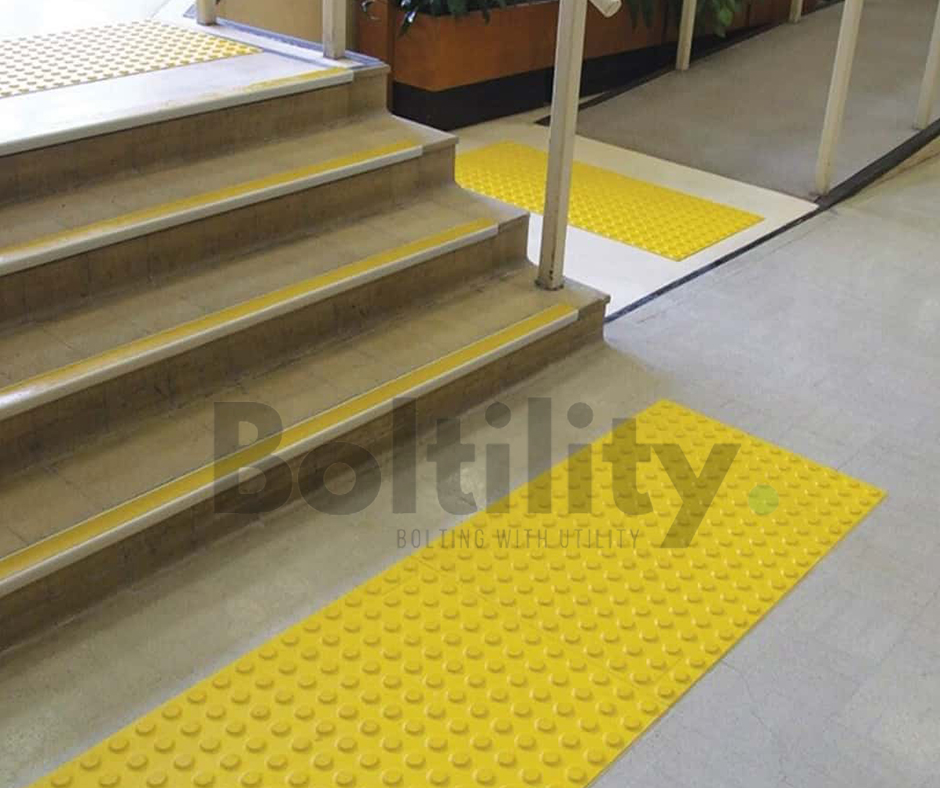
Stair nosing is a simple architectural addition that provides significant safety, durability, and visual improvements to any staircase. Whether installed in commercial spaces such as offices, malls, schools, and factories, or in residential homes, stair nosing plays an essential role in protecting stair edges and preventing accidents. Below are the top benefits of using stair nosing and why it has become a recommended feature for all types of buildings.
1. Enhanced Safety for All Users
The primary purpose of stair nosing is to improve safety. By adding a visible and tactile edge to each step, stair nosing helps users clearly identify where each tread begins.
How it improves safety:
-
Provides better grip and traction to reduce slipping
-
Increases step visibility, especially in dim or high-traffic areas
-
Helps prevent falls caused by missteps
Commercial buildings benefit even more since they must comply with safety standards and accommodate large numbers of people daily.
2. Increased Durability and Protection for Staircases
Constant foot traffic causes stair edges to wear out faster than other parts of the stair. Stair nosing acts as a protective layer, reducing long-term damage.
Durability advantages:
-
Minimizes cracks, chips, and erosion at the edge of each step
-
Extends the lifespan of materials like wood, concrete, and tiles
-
Reduces maintenance and repair costs
For facilities such as industrial buildings, hospitals, and schools, the added durability is highly valuable.
3. Improved Aesthetic Appeal
Stair nosing can enhance the overall look of a staircase by providing a clean, modern finish. Available in various colors, profiles, and materials, it can be matched to the interior design of any building.
Aesthetic benefits:
-
Creates a professional, polished appearance
-
Allows customization using aluminum, PVC, rubber, or stainless steel
-
Offers contrasting colors for both safety and visual interest
Well-designed staircases leave a strong impression, especially in commercial spaces like offices and retail stores.
4. Cost-Effective Safety Upgrade
Compared to remodeling or replacing stair treads, installing stair nosing is a highly economical upgrade.
Why it is cost-effective:
-
Easy and fast installation
-
Reduces long-term repair costs
-
Improves safety without major renovation
For property owners and facility managers, stair nosing is one of the simplest ways to improve safety compliance and reduce liability.
5. Compliance With Building and Safety Standards
Many regions require stair nosing to meet workplace and public-area safety standards. Installing compliant stair nosing ensures that buildings follow guidelines for accessibility and hazard reduction.
Compliance benefits:
-
Meets safety codes for commercial structures
-
Supports accessibility for elderly and visually impaired users
-
Reduces legal risks related to accidents
This makes anti slip stair nosing an essential component of responsible building design.